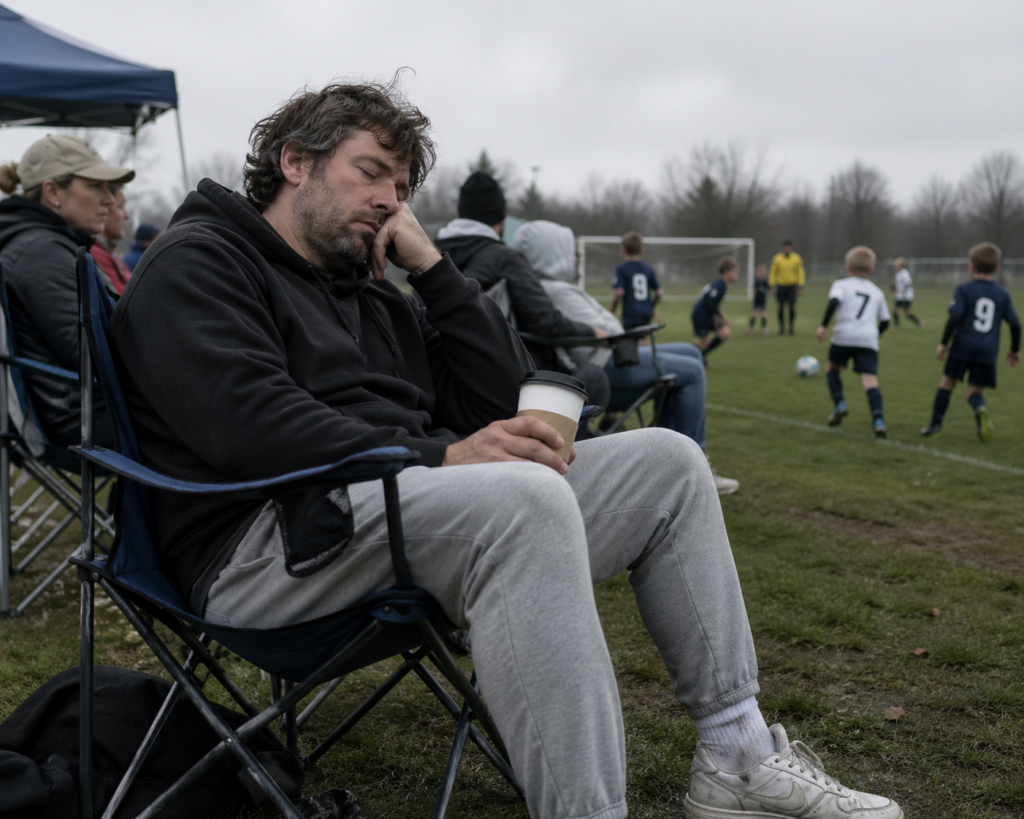

The Symptoms Most Men Ignore
Signs of low testosterone in men over 40 often show up gradually, which is why they’re easy to ignore. It doesn’t hit all at once. Instead, it looks like small changes over time. Less energy. Slower recovery. A drop in motivation. Subtle shifts that are easy to brush off as “just getting older.”
But for many men, these aren’t just signs of aging. They’re signs of low testosterone.
Testosterone Decline Is More Common Than You Think
Testosterone levels naturally decrease with age, but the impact varies from person to person.
According to the American Urological Association, low testosterone becomes increasingly common as men get older, with symptoms often appearing well before most expect.
The issue isn’t just the decline. It’s when levels drop low enough to affect how you feel and function.
The Most Common Signs of Low Testosterone
Low testosterone doesn’t look the same for everyone, but there are patterns.
1. Constant Fatigue
Not just being tired after a long day. This is ongoing, hard-to-shake fatigue that doesn’t improve with rest.
2. Loss of Strength and Muscle
Even with consistent workouts, strength may plateau or decline. Muscle becomes harder to build and easier to lose.
3. Increased Body Fat
Particularly around the midsection. Hormonal changes can shift how your body stores fat.
4. Low Motivation and Drive
Things that used to feel easy now require effort. Work, workouts, even social interaction can feel draining.
5. Brain Fog and Poor Focus
Difficulty concentrating, slower thinking, and reduced mental sharpness are all common.
6. Decreased Libido
A drop in sex drive is one of the most recognized signs, but it often appears alongside other symptoms.
7. Mood Changes
Irritability, low mood, or feeling “off” without a clear reason.
Why These Symptoms Get Overlooked
Most of these signs are easy to explain away.
- “I’m just busy.”
- “I’m not sleeping great.”
- “That’s part of getting older.”
Individually, they don’t seem like a big deal.
Together, they tell a different story.
It’s Not Always Just Testosterone
While testosterone is a major factor, other issues can contribute to similar symptoms:
- Sleep apnea
- High stress and cortisol
- Thyroid imbalances
- Nutritional deficiencies
This is why guessing doesn’t work.
When Should You Get Tested?
If you’re experiencing multiple symptoms consistently, it’s time to look deeper.
You should consider testing if:
- Fatigue is your baseline
- Your strength or performance has declined
- You’ve noticed changes in mood or focus
- Your recovery feels slower than it used to
- You don’t feel like yourself anymore
What Testing Actually Tells You
A proper evaluation goes beyond just total testosterone.
It should include:
- Free testosterone
- Estradiol
- SHBG (sex hormone binding globulin)
- Thyroid markers
- Metabolic health markers
This gives a full picture of what’s happening inside your body.
What Happens If Levels Are Low
If low testosterone is confirmed, treatment options like Testosterone Replacement Therapy (TRT) can help restore levels to a normal range.
When levels are optimized, many men report:
- Improved energy
- Better strength and performance
- Increased focus
- Enhanced mood
- More consistent motivation
The Bottom Line
Low testosterone doesn’t always show up in obvious ways.
It often looks like feeling slightly off… all the time.
Take the Next Step
If you’ve been noticing changes but haven’t been able to explain them, don’t guess.
Get data. Get answers.