
When Fatigue Stops Being “Normal”
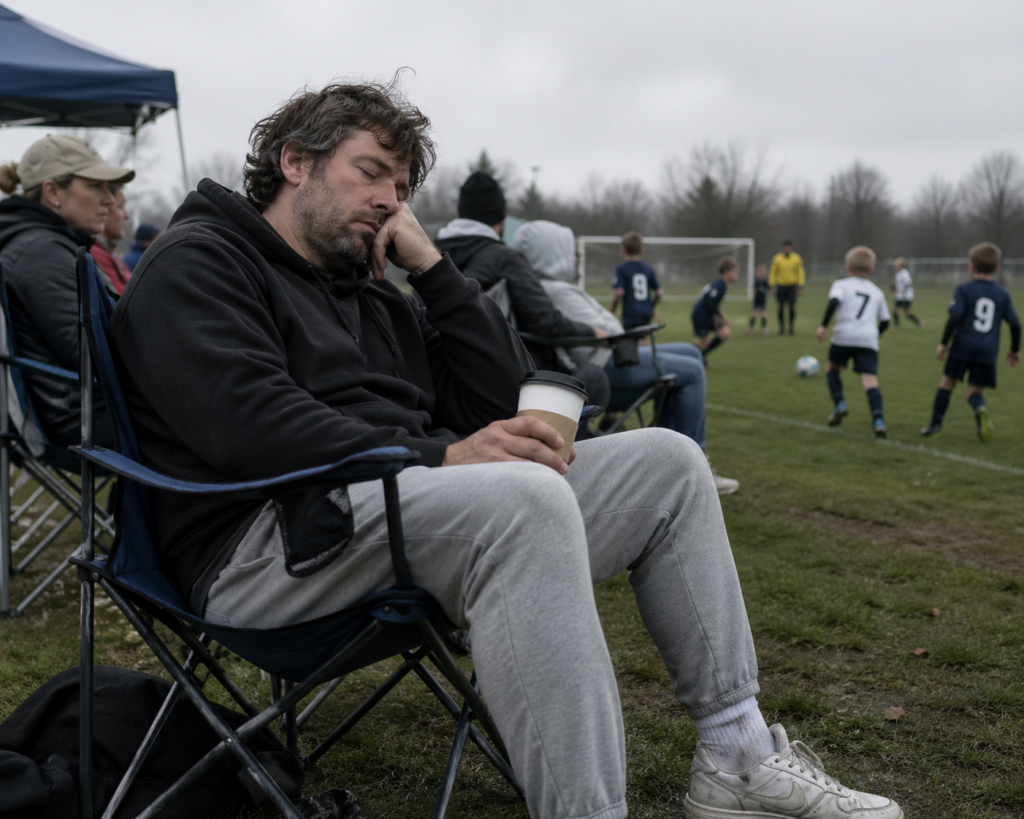
Causes of fatigue in men over 40 is one of the most searched and least answered questions men face as they get older. If you find yourself exhausted at your kids’ games, drained by mid-afternoon, or relying on caffeine just to function, it’s easy to blame a busy schedule or poor sleep. But when fatigue becomes your baseline, there is often something deeper going on.
Fatigue in Men Over 40 Is More Common Than You Think
Low energy isn’t rare. It’s widespread.
According to the American Urological Association, testosterone levels decline steadily with age, and a significant percentage of men over 40 experience symptoms related to low testosterone.
Fatigue is often one of the earliest and most persistent signs.
This Isn’t Just Being “A Little Tired”
There’s a clear difference between normal tiredness and chronic fatigue.
Men dealing with hormone-related fatigue often experience:
- Waking up feeling unrefreshed
- Midday crashes that are hard to recover from
- Heavy reliance on caffeine
- Low energy in the evenings
- Feeling drained even after a full night’s sleep
When this becomes consistent, it’s no longer just lifestyle-related.
Low Testosterone and Energy Levels
Testosterone plays a key role in how your body produces and maintains energy.
It supports:
- Red blood cell production
- Muscle function
- Metabolic efficiency
- Mood and motivation
When testosterone levels drop, the body becomes less efficient across all of these systems.
The National Institutes of Health has linked low testosterone to reduced vitality, increased fatigue, and decreased overall well-being.
Why You Notice It During Everyday Moments
Many men first notice fatigue in moments that should feel easy.
Sitting at a game. Watching TV. Relaxing after work.
During busy or high-pressure situations, adrenaline can temporarily mask low energy. But when things slow down, your baseline shows. If that baseline is low, fatigue becomes obvious.
Other Common Causes of Fatigue in Men Over 40
While low testosterone is a major factor, it is not the only one.
Fatigue can also be caused by:
- Poor sleep quality or sleep apnea
- Chronic stress and elevated cortisol
- Thyroid imbalances
- Nutrient deficiencies (such as B12 or iron)
- Weight gain and metabolic changes
This is why guessing rarely leads to real answers. Proper testing is essential.
Why “Pushing Through” Backfires
Most men try to fight fatigue the wrong way.
More caffeine. Harder workouts. Ignoring the problem.
These strategies may provide short-term relief, but they do not fix the underlying issue. In some cases, they increase stress on the body and make fatigue worse over time.
What Happens When You Address the Root Cause
When the underlying cause of fatigue is identified and treated, the difference can be significant.
Men often report:
- Steady, all-day energy instead of crashes
- Improved sleep quality
- Better focus and mental clarity
- Increased motivation
- Greater presence with family and daily life
This is not about temporary boosts. It’s about restoring normal function.
This Is Bigger Than Just Energy
Fatigue affects more than physical performance.
It impacts how engaged you are in your life. It changes how you show up for your family. It affects your ability to enjoy moments that should matter.
Over time, that adds up.
Signs It May Be Time to Get Checked
If you are experiencing:
- Daily fatigue that doesn’t improve with rest
- Low motivation or focus
- Reduced strength or performance
- Mood changes or irritability
- Difficulty recovering from workouts
It may be time to look deeper.
The Bottom Line
Feeling tired all the time is common, but it is not normal.
For many men over 40, fatigue is a signal that something in the body is out of balance.
Take the Next Step
If you’ve been asking yourself why you’re always tired, the first step is to get real answers.
Comprehensive lab testing can identify whether hormone levels or other factors are contributing to your fatigue.